










Kubbeh Guide: Hamusta, Beet Kubbeh, Mafrum & Stuffed Peppers
Kubbeh explained: kubbeh hamusta and beet kubbeh, plus mafrum, moussaka and beef-stuffed peppers. Origins, reheating tips and portions in Playa del Carmen.
November 1, 2026 · 6 min read
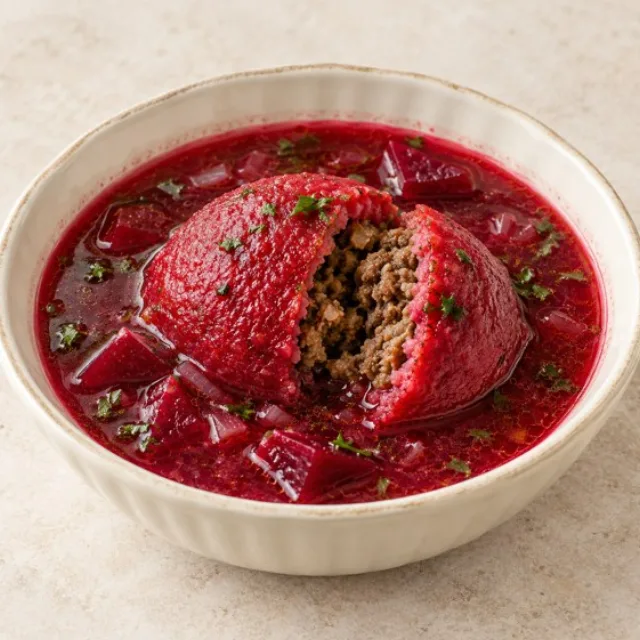
If you grew up with an Iraqi or Kurdish Jewish grandmother, the word kubbeh probably brings back a very specific kitchen smell. If you didn't, you're in for a treat: little parcels of dough wrapped around spiced meat and simmered in a tangy soup. Our kitchen makes two kinds of kubbeh, plus stuffed dishes like mafrum and beef-stuffed peppers — here's what each one is, how to reheat it, and how much to order for the family.
What is kubbeh?
Kubbeh — often spelled kibbeh — is a family of Middle Eastern dumplings: an outer shell, usually made from bulgur wheat or semolina, wrapped around a filling of spiced minced meat. Versions are found across Iraq, Syria, Lebanon and Kurdistan, and Jewish communities from those regions brought their own styles to Israel, where kubbeh has become a much-loved comfort food. Recipes vary from family to family, but broadly there are two styles:
- Fried kubbeh, with a crisp shell, served as a starter or snack
- Soup kubbeh, soft dumplings simmered in a flavorful broth
Our two kubbeh — Kubbeh hamusta and Beet kubbeh — are both the soup style.
Our kubbeh and stuffed dishes
All five are sold by weight, so you can order as many grams as you like.
| Dish | Style | Flavor | Serve with |
|---|---|---|---|
| Kubbeh hamusta | Meat-filled dumplings in a sour, lemony broth | Tangy and bright | White rice |
| Beet kubbeh | Meat-filled dumplings in a deep-red beet broth | Sweet-and-sour, earthy | White rice or challah |
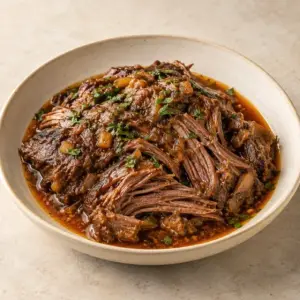
| Mafrum | Traditionally vegetables stuffed with spiced meat, in sauce | Hearty and savory | Couscous with vegetables or white rice |
| Moussaka | Traditionally layered eggplant and meat | Rich and comforting | Tomato salad, white rice |
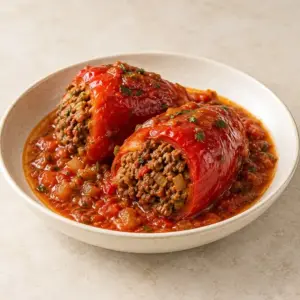
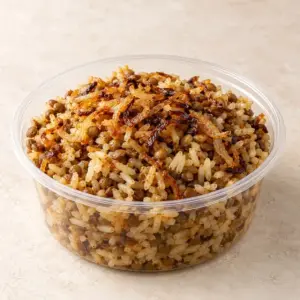
| Beef-stuffed peppers | Peppers filled with seasoned beef | Home-style and savory | White rice or mujaddara |
Kubbeh hamusta
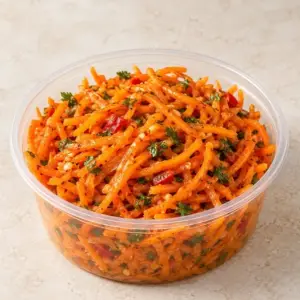
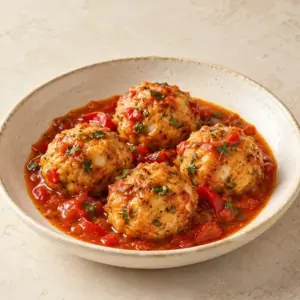
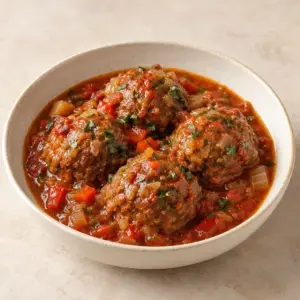
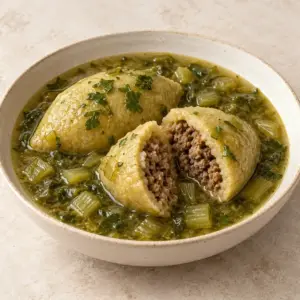
Hamusta's name is usually traced to a word for "sour," and that's the whole point: semolina dumplings filled with meat, simmered in a lemony broth that traditionally includes vegetables such as zucchini, chard and celery. It's a Kurdish and Iraqi Jewish favorite that became an Israeli classic, often eaten over white rice. When you order, ask how it's packed — with broth or as dumplings — so you can plan your reheating.
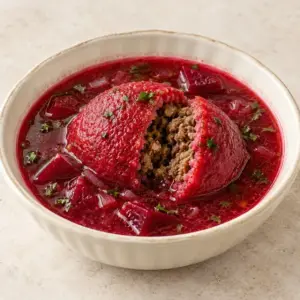
Beet kubbeh
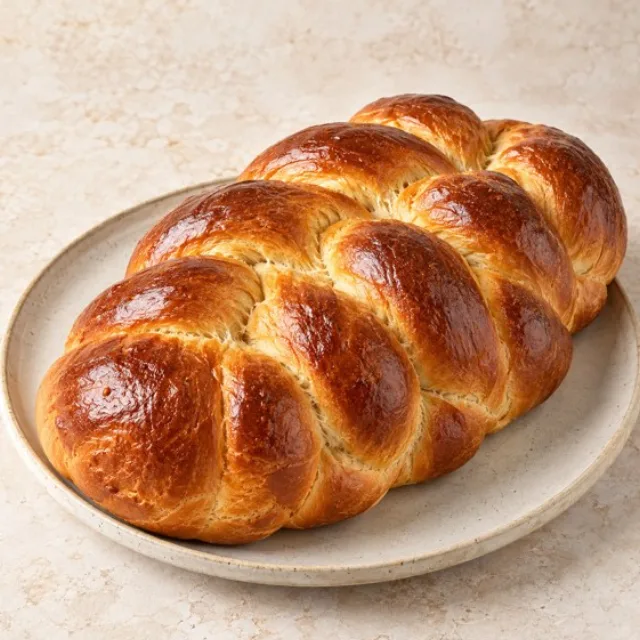
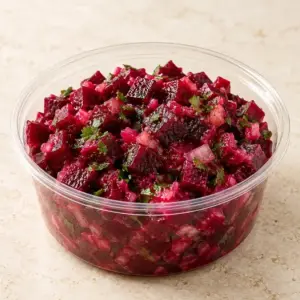
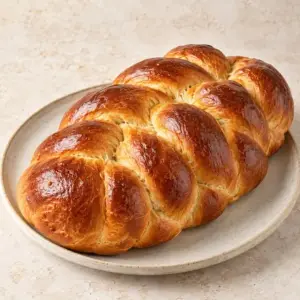
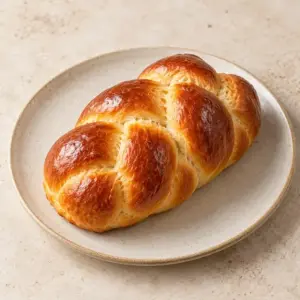
The ruby-red sibling of hamusta: meat-filled dumplings in a sweet-and-sour beet broth, earthy and gorgeous on the table. Spoon it over white rice, or keep a piece of challah nearby for the broth.
Mafrum
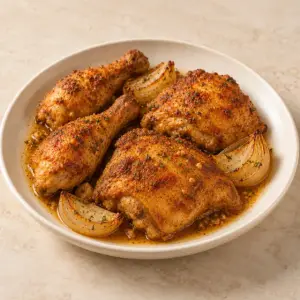
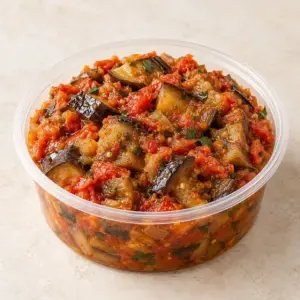
Mafrum is a Libyan Jewish classic, often served on Shabbat and holidays: vegetables — traditionally potatoes — sliced and stuffed with spiced ground meat, then simmered in a rich sauce. Recipes vary from family to family, so ask us about today's version. It's lovely with couscous with vegetables or plain white rice.
Moussaka and beef-stuffed peppers
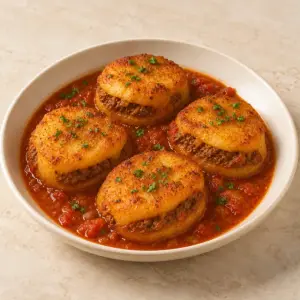
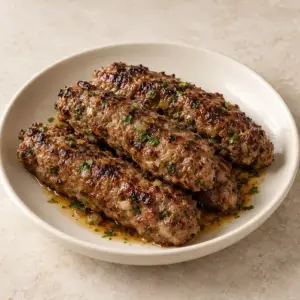
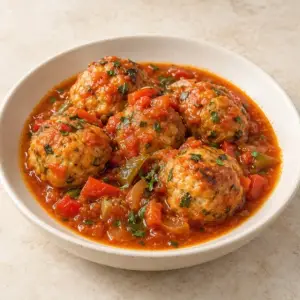
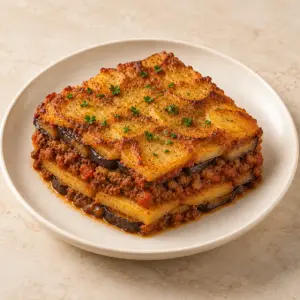
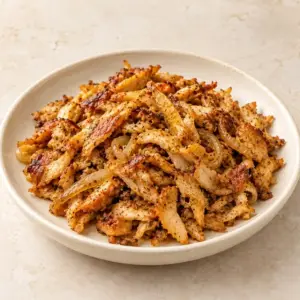
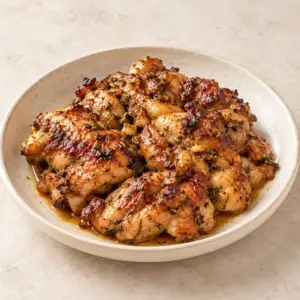
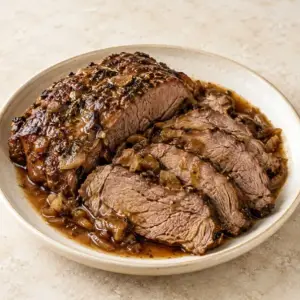
Two home-cooking favorites from our beef and stuffed dishes menu. Moussaka traditionally layers eggplant with spiced meat and bakes them together — a comforting dish for a family table; ask us about today's version. Beef-stuffed peppers are a classic across Sephardi and Israeli kitchens — easy to portion, and they reheat well.
How much to order
All kubbeh and stuffed dishes are sold by weight, so you can order exactly the amount you need. As a rough guide, plan on about 150–200 g per adult when it's the main dish with sides and salads. For soup-style kubbeh, how far it stretches depends on the ratio of dumplings to broth, so tell us your headcount and we'll help you size it. For today's prices, message us on WhatsApp.
Example: a kubbeh dinner for 4
| Item | Amount |
|---|---|
| Kubbeh hamusta | 800 g |
| Mafrum | 400 g |
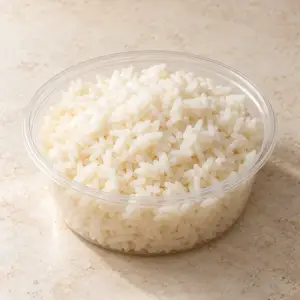
| White rice | 600 g |
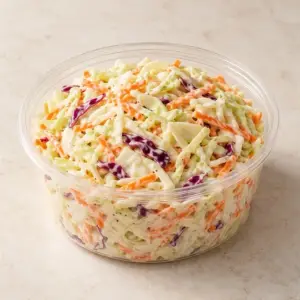
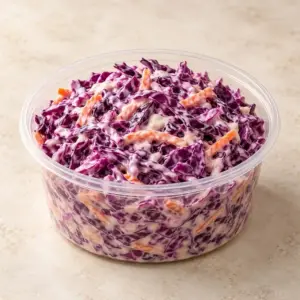
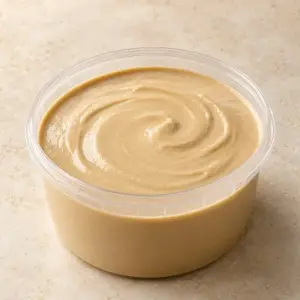
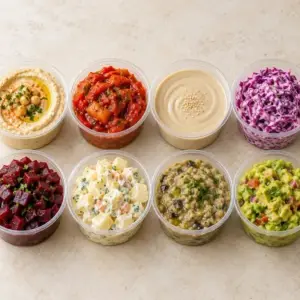
| Tahini and white cabbage with lemon | 1 small container each |
This is an example only: sides are sold by weight too, salads come in small or large containers, and the daily menu determines what's available.
How to reheat kubbeh and stuffed dishes
Kubbeh hamusta and beet kubbeh: low and slow
- Warm gently in a pot over low-to-medium heat until hot all the way through (165°F / 74°C).
- Don't boil hard — the dumplings are delicate and can split.
- If the broth has thickened, add a splash of water. A squeeze of lemon brightens hamusta right before serving.
Mafrum, moussaka and stuffed peppers
- Warm them covered in a 325°F (165°C) oven for 15–20 minutes, or in a covered pan over low heat with a little of their sauce, until hot all the way through.
In a non-kosher rental kitchen, use foil pans or your own pot, or double-wrap, and follow your rabbi's guidance. Our Playa del Carmen kosher guide has more tips for hotels and rentals. On Shabbat, follow your own practice for keeping soups warm.
Pairing kubbeh with the rest of the menu
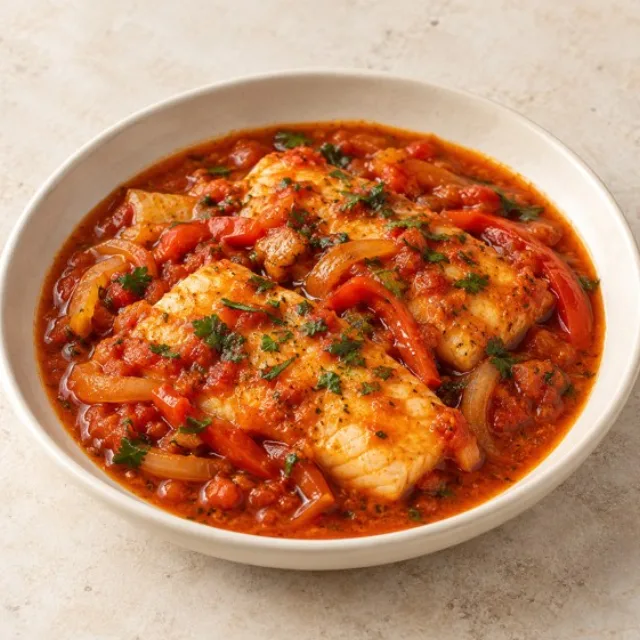
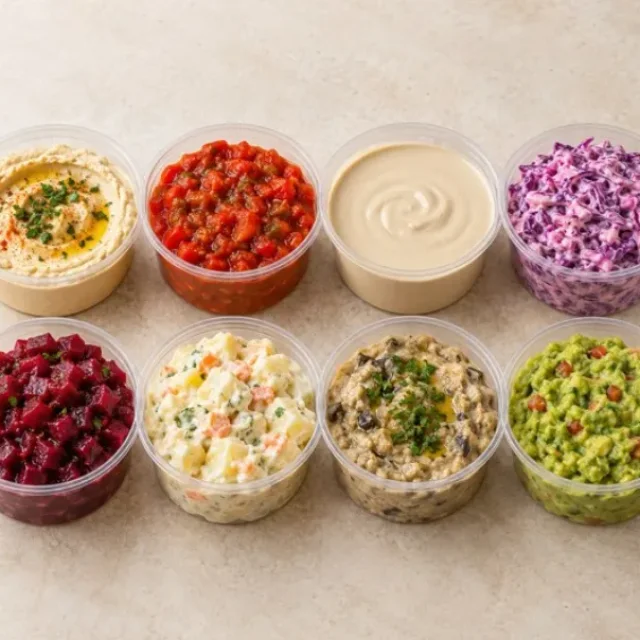
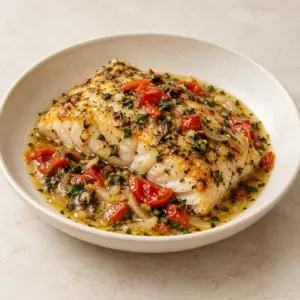
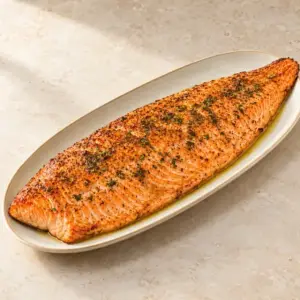
Kubbeh loves contrast. The soup kubbeh are rich enough to be a meal with just white rice or mujaddara, and something crisp and acidic on the side — white cabbage with lemon or tomato salad — keeps every spoonful bright. Mafrum and stuffed peppers are happy next to couscous with vegetables. For a bigger spread, open with a few salatim and follow with a fish course from our fish guide.
Kubbeh for a crowd
Kubbeh is made for sharing, which makes it a natural fit for big family meals, Shabbatons and celebrations. A generous order of a few different dishes — say, kubbeh hamusta, beet kubbeh and mafrum — turns into a whole Middle Eastern feast with rice and a few salads. Because everything is sold by weight, scaling up is simple. For larger events, tell us your headcount and date on our catering page or on WhatsApp, and we'll help you work out quantities.
Bring kubbeh to your table
See what's cooking on today's menu, add kubbeh to your Shabbat order by Thursday 4 PM, or message us on WhatsApp to order a family-size amount.
Frequently asked questions
What is the difference between kubbeh and kibbeh?
They're the same family of dishes. Kibbeh is the spelling you'll usually see in Lebanese and Syrian cooking, while kubbeh is how it's generally said in Israel and in Iraqi and Kurdish Jewish kitchens.
Is kubbeh spicy?
Generally not. Kubbeh is usually seasoned with warm spices rather than heat: kubbeh hamusta is tangy and lemony, and beet kubbeh is sweet and sour. Add a little spicy green schug if you want a kick.
Is kubbeh a meat dish?
Yes. Our kubbeh are filled with meat, and they sit on our beef and stuffed dishes menu alongside mafrum, moussaka and beef-stuffed peppers, so they're all meat dishes. Pair them with parve sides and salads rather than anything dairy.
Which kubbeh should I try first?
If you want something comforting and bright, go for kubbeh hamusta over white rice. Beet kubbeh is the one for sweet-and-sour lovers. Can't decide? Both are sold by weight, so you can order a little of each.